Non-Surgical vs. Surgical Gum Disease Treatment: What to Expect
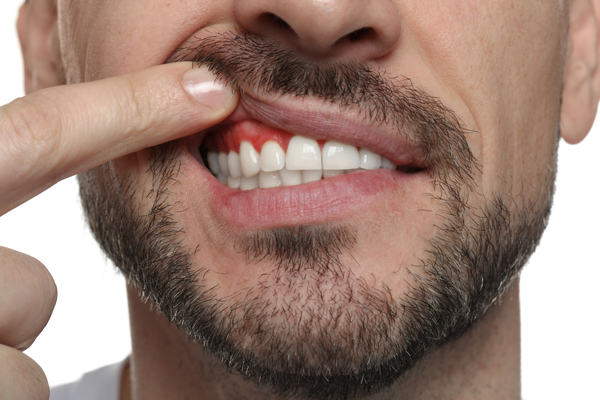
Gum disease treatment remains a cornerstone in modern dentistry and aims to preserve healthy gums, teeth, and underlying bone structure. This comprehensive approach protects oral health and prevents tooth loss by addressing plaque buildup and inflammation. Gum disease develops when plaque bacteria irritate the gum tissues, creating redness, swelling, and, if unchecked, progressive damage to the bones that secure the teeth. Fortunately, general dentists offer several ways to address the disease, including non-surgical and surgical.
Understanding gum disease
Gum disease, also known as periodontal disease, frequently begins as gingivitis. Inflamed gums, a result of plaque accumulation, often appear red, swollen, or prone to bleeding. Without intervention, gingivitis may advance to periodontitis. This more serious condition involves the formation of pockets around the teeth, where harmful bacteria thrive and eventually affect the jawbone. When damage progresses, teeth may become loose, and other health risks can arise.
Lifestyle and dietary factors often contribute to gum disease. Frequent consumption of sugary foods or beverages, tobacco use, and inadequate brushing or flossing habits promote plaque buildup. Hormonal changes and certain medications may also increase the risk of gum disease. The key lies in early detection, routine checkups, and consistent oral hygiene to limit disease progression.
Non-surgical gum disease treatment
General dentists hope to catch gum disease early, so they only need to perform a non-surgical treatment. These treatments are typically reserved for patients with mild to moderate cases of gingivitis. The most common treatment patients will experience is called scaling and root planing. During scaling, the dentist or dental hygienist will remove plaque and tartar from the teeth and gum line. Root planing involves smoothing the tooth roots and reducing rough areas where bacteria can gather. This process discourages new plaque formation and allows healthier gum tissues to reattach to tooth surfaces.
Antibiotics sometimes enhance results by reducing bacterial levels in the mouth. Dentists may deliver these antibiotics topically into periodontal pockets or prescribe them orally for a set duration. If the dentist observes significant gum inflammation, they may recommend an antimicrobial mouth rinse to control bacteria between appointments. Regular dental cleanings and proper home care also bolster treatment outcomes.
In many cases, non-surgical approaches improve gum health and help prevent more advanced procedures. Patients who receive timely treatment often experience reduced bleeding, decreased gum swelling, and shallower pockets around the teeth. However, consistent maintenance visits and daily brushing and flossing are necessary to sustain these improvements.
Surgical gum disease treatment
Surgical gum disease treatment often becomes necessary when pockets do not respond sufficiently to non-surgical measures or when damage involves deep periodontal pockets, significant bone loss, or advanced tissue recession. A periodontist or a dentist with specialized training evaluates the most effective options for each patient's needs.
Flap surgery, gum grafts, bone grafts, and guided tissue regeneration are potential surgeries the dentist will consider for periodontitis. Flap surgery involves gently lifting the gum tissue away from the teeth to thoroughly clean deep pockets. This procedure enables better access to areas below the gumline. Afterward, the gums are repositioned snugly against the tooth structure, reducing pocket depth and providing a more secure seal against bacteria.
Gum grafts involve harvesting a healthy portion of tissue from the patient's mouth and stitching it over the places where recession is evident. This procedure also helps shield sensitive tooth surfaces from further damage, lowers the chance of decay, and improves overall aesthetics. Bone grafts, on the other hand, refer to new bone or a suitable substitute that promotes healthy tissue growth. Guided tissue regeneration places a specialized membrane between the bone and gum tissue, encouraging the body to rebuild bone rather than scar tissue. These techniques aim to stabilize teeth and mitigate the risk of future damage.
Comparing non-surgical and surgical gum disease treatments
Non-surgical gum disease treatment frequently serves as the first line of defense. Deep cleaning, improved oral care, and possible antibiotic support often suffice to control inflammation and reduce pocket depth when the disease is in earlier stages or moderate severity. This approach requires consistent follow-up visits and strong patient cooperation at home.
Surgical treatment generally addresses advanced cases or those not responding to simpler interventions. Procedures like flap surgery, bone grafts, or gum grafts target deeper damaged and structural concerns that scaling alone cannot resolve. Recovery periods vary, and patients usually follow specific care instructions to ensure proper healing. Though these techniques may appear more complex, they offer a path toward preserving teeth that may otherwise be at risk.
Contact us to stop gum disease in its tracks
Gum disease treatment encompasses both non-surgical and surgical methods, each designed to combat the disease and address its side effects. If you are experiencing signs of gum disease, contact Fountains Dental Excellence to schedule an appointment. Our team will work to develop a gum disease treatment plan to restore your oral health.
Request an appointment here: http://www.fountainsdentalexcellence.com or call Fountains Dental Excellence at (916) 780-3000 for an appointment in our Roseville office.
Check out what others are saying about our dental services on Yelp: Gum Disease in Roseville, CA.
Related Posts
Dental implants have become widely popular as a natural-looking tooth replacement solution. Not only do implants restore a patient’s full smile, but they also keep the jawbone engaged to prevent it from shrinking. However, they must be surgically implanted, which can bring some risks. Dive deeper into the pros and cons of dental implants to…
You can do research on dental implants on your own, but getting the facts from your dentist can give you more inside information. These restorations can replace dental roots and crowns. Each one can improve your smile and strengthen your bite. The following are facts that you can get from your general dentist when it…
Dental implants can be an effective tooth replacement option for anyone missing one or a few teeth or those needing all their teeth replaced. Many consider implants state-of-the-art tooth replacement. However, to enjoy this option's many benefits, the patient must be a suitable candidate for the procedure. Here are some key factors to take into…
Dental implants are a popular tooth replacement option among dental professionals. They offer an array of benefits that other tooth replacement options do not, which is why they are often considered state-of-the-art. However, not everyone is a candidate for dental implants, and dental bridges or dentures are a better fit for some patients. Patients should…