10 Things to Do Before Visiting an Emergency Dentist
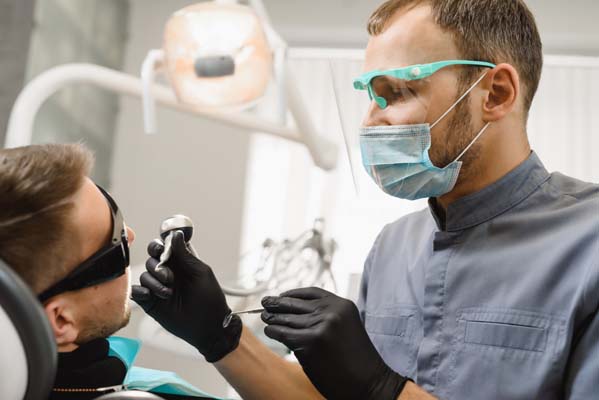
Dental emergencies can occur without warning, causing intense discomfort and requiring swift care from a qualified emergency dentist. Being prepared can alleviate anxiety and improve the effectiveness of the dental treatment. Here are 10 detailed steps to handle dental emergencies efficiently and calmly.
1. Assess the situation
Before rushing to an emergency dentist, it is essential to assess the severity of the dental issue. Determine whether the problem involves severe pain, uncontrolled bleeding, or a broken tooth. Minor issues, such as slight sensitivity or a minor chip, may not require urgent attention. However, significant injuries, such as soft-tissue injuries or oral infections, require immediate professional care to prevent long-term oral health complications.
2. Gather important information
Collecting relevant medical and dental information before visiting an emergency dentist can save valuable time. This list should include:
- Recent or past dental procedures
- Allergies
- Current medications
- Pre-existing medical conditions
- Previous reactions to dental treatments
Having this information readily available ensures that the dentist can provide safe and effective care without excessive delays.
3. Contact the dental office
Calling ahead to an emergency dentist's office helps confirm availability and allows staff to prepare for urgent treatment. This step also allows the dental team to provide the patient instructions for temporary relief and care until the appointment. Many emergency dentists offer after-hours consultation and weekend availability. Nevertheless, a phone call ensures that the patient visits the correct facility as soon as possible.
4. Prepare a list of symptoms
Documenting symptoms in detail can help the dentist accurately diagnose the problem. Note the onset of the symptoms, their duration, intensity, and type of pain. They should also mention any swelling, bleeding, or unusual sensations. A clear record of the patient's symptoms allows the emergency dentist to prioritize the correct course of treatment and provide targeted care.
5. Arrange transportation with a trusted loved one or service
Dental emergencies may involve severe pain or disorientation, making safe transportation necessary. Arranging for a trusted loved one to drive or using a reliable transport service ensures that the patient reaches the emergency dentist safely and comfortably. Patients should also not drive themselves to the dental office if they know that they will be under the influence of strong pain medication or anesthesia during treatment.
6. Manage pain and swelling temporarily
While waiting to see an emergency dentist, temporary measures can alleviate discomfort. Over-the-counter pain relievers, cold compresses, and saltwater rinses may reduce pain and swelling. Avoid placing aspirin directly on the gums or teeth, as it can cause irritation or damage. It is important to note that these measures are only short-term and should not replace professional care.
7. Avoid certain foods and drinks
Restricting food and drink intake before visiting an emergency dentist helps prevent further damage. Hard, sticky, or sugary foods can exacerbate dental injuries. Instead, emergency dentists recommend consuming soft, non-acidic foods and drinking plenty of water. In severe cases where anesthesia may be necessary, the patient will need to follow fasting instructions to avoid potential complications.
8. Protect the affected area
Protecting an injured tooth or gums before the emergency dental visit minimizes further complications. For example, an individual with a knocked-out tooth they shoud place it in milk or a specialized saline solution to help preserve it and keep the root moist. Covering sharp edges of broken teeth with dental wax or sugar-free gum can prevent cuts to the patient's mouth and tongue.
9. Prepare insurance and payment information
Having insurance cards, identification, and payment details ready expedites the check-in process at the emergency dentist. Confirming coverage for emergency procedures beforehand prevents potential confusion and delays in receiving treatment. When insurance is unavailable, the individual can discuss payment options and sliding-scale fees with the dental office to ensure that financial concerns do not hinder their urgent dental care needs.
10. Stay calm and focused
In the face of a dental emergency, maintaining a sense of calm and focus is essential. Stress can amplify discomfort and complicate communication with the dentist, making the situation feel even more overwhelming. By practicing deep-breathing techniques and maintaining a clear mindset, the individual can express their needs and follow the emergency dentist's instructions, leading to better dental care and relief.
Be prepared when emergencies happen
Dental emergencies can happen unexpectedly. However, getting ready to visit an emergency dentist can make the situation less stressful and more effective. By following these 10 steps, you can get the urgent dental care you need, reduce pain, and enhance treatment results. Are you having a dental emergency? Call our Roseville office to book a same-day appointment.
Request an appointment here: http://www.fountainsdentalexcellence.com or call Fountains Dental Excellence at (916) 839-3035 for an appointment in our Roseville office.
Check out what others are saying about our dental services on Yelp: Emergency Dentist in Roseville, CA.
Related Posts
When accidents happen that affect the mouth and teeth, most people visit an emergency dentist to have a broken or missing tooth repaired; however, these dentists are also capable of handling problems that stem from periodontal issues. While gum disease usually progresses slowly, it can cause emergency situations, and knowing when to visit a clinic…
Most people experience tooth pain at some point in their lives and turn to a general dentistry team for assistance. Unfortunately, whether the pain is sharp or dull and throbbing, it is not likely to pass on its own and usually becomes worse when ignored. No matter the cause, visiting a dentist is usually the…
In general dentistry, preventative procedures are the most cost-effective and high-impact methods of keeping patients' smiles healthy and beautiful. However, when damage or decay occurs, restorative practices are available to correct the damage and rehabilitate the smile.Restorative practices through general dentistry include procedures that repair damage to the teeth and gums. These procedures are intended…
General dentistry is essential for good oral health at every age. Some parents assume that children do not need routine dental care until permanent teeth start to arrive. However, children of all ages should see a dentist on a regular basis. Parents must also be mindful of their child's tooth and gum development and check…